Top five things to do for free in & around Salisbury.
- Jan 1, 2025
- 5 min read
Updated: 6 days ago
October 2025
Salisbury is a city full of history & charm. However, like many popular destinations, costs can quickly add up - from entrance fees to dining out & transport, it’s easy to feel like you need a big budget to enjoy everything an area has to offer.
The good news? There are plenty of ways to experience Salisbury & the surrounding areas without breaking the bank. If you are looking for low-cost ways to explore on a budget, this list highlights five activities that are either free or super affordable. So, lace up your walking shoes & get ready to have an adventure without the stress of high costs.
1. Explore Old Sarum

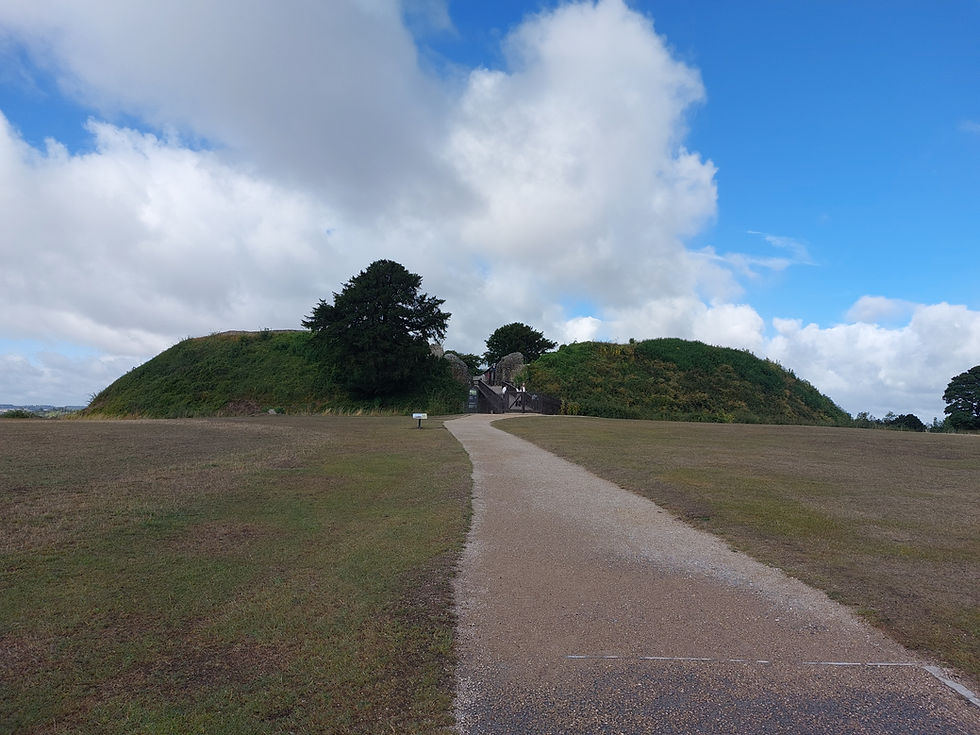
Old Sarum, one of the largest iron age hillforts in England, is located approximately 2 miles to the north of Salisbury. The site was occupied during the Roman conquest, the Anglo-Saxon period & also following the Norman conquest when King William the Conqueror ordered the building of large scale fortifications along with a castle.
Abandoned when the cathedral was relocated down into the valley below, the site is now run by English Heritage, so if you’re a member, you can get in free. If not, no worries — you only pay to enter the inner Mott & Bailey which contains the castle ruins. You can still wander around the outer areas, containing the medieval cathedral foundations, & ramparts at no cost. It’s a great spot for a relaxed walk, a bit of history, & some amazing views looking down onto the city below.
How to get there - if you are driving then parking is available either on site for a fee or in the layby below though spaces are limited. You can also take a relaxed walk along the river Avon.
2. Visit Queen Elizabeth Gardens

Tucked away less than five minutes walk from High Street is Queen Elizabeth Gardens, a peaceful spot in the heart of Salisbury. Found on Cranebridge Road the gardens were created in the early 1960s to mark the coronation of Queen Elizabeth II with the route of the river changed so it flows gently around the edge of the park. You will find a mix of colourful flowerbeds, open lawns & riverside charm.
Cool off on a warm day by dipping your toes in the river Avon as it flows gently through the grounds, or maybe find a bench on a not so sunny day to take in some fresh air. There’s a fun children’s play area with accessible equipment to keep little ones entertained, plus toilets & nearby parking in a pay & display car park to make it super easy to visit.
3. Walk the Clarendon Way (or just a part of it)
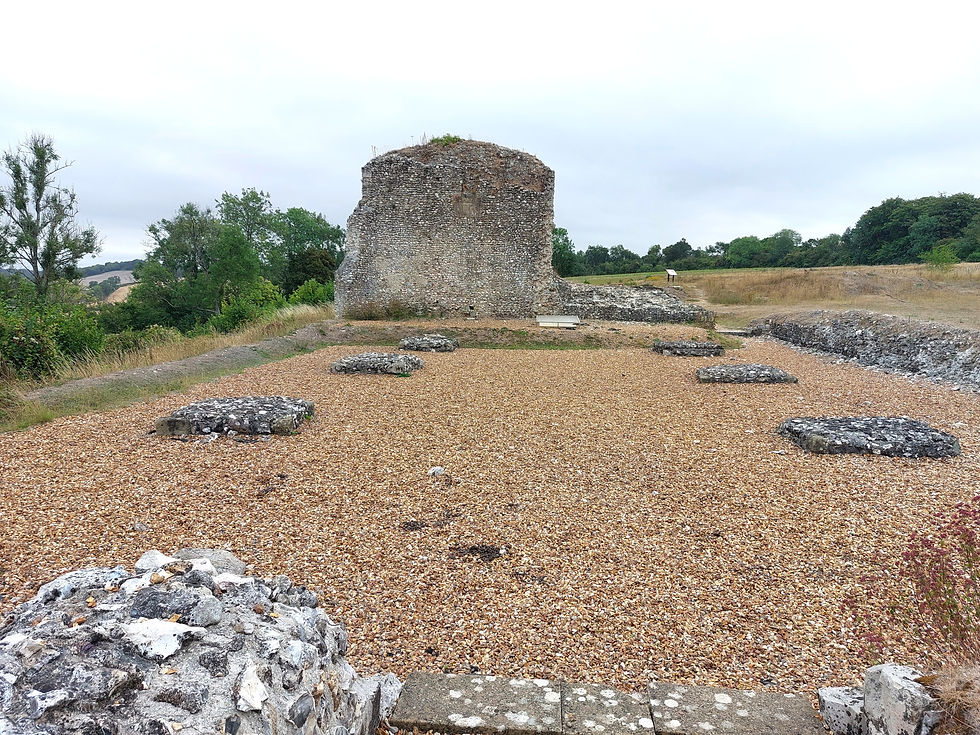
The Clarendon Way is a 26-mile pilgrimage walking route that connects the cathedrals of Salisbury in Wiltshire & Winchester in Hampshire. The route is divided into four manageable sections & apparently many walkers are able to complete the entire route in just two days, stopping off overnight in one of the many villages along the route. If you are not feeling quite that energetic you could always walk part of the first section—a three mile route leading from Salisbury Cathedral to the ruins of Clarendon Palace located on the Clarendon Park Estate to the east of Salisbury.
Established in the 12th century by King Henry I, Clarendon Palace was once a Royal Palace & hunting lodge located in the largest medieval park in the country & in 1356 King John of France was imprisoned here! Many Kings stayed at at Clarendon Palace, each putting their own mark on the place, visiting Salisbury in between. Unfortunately by the 15th century Clarendon Palace had turned to ruins & was eventually abandoned.
You will need suitable walking shoes, plenty of water & a reasonable level of fitness to enjoy this outing. Don’t forget to say hello (from a respectful distance!) to the llamas employed at the site to help control the weeds.

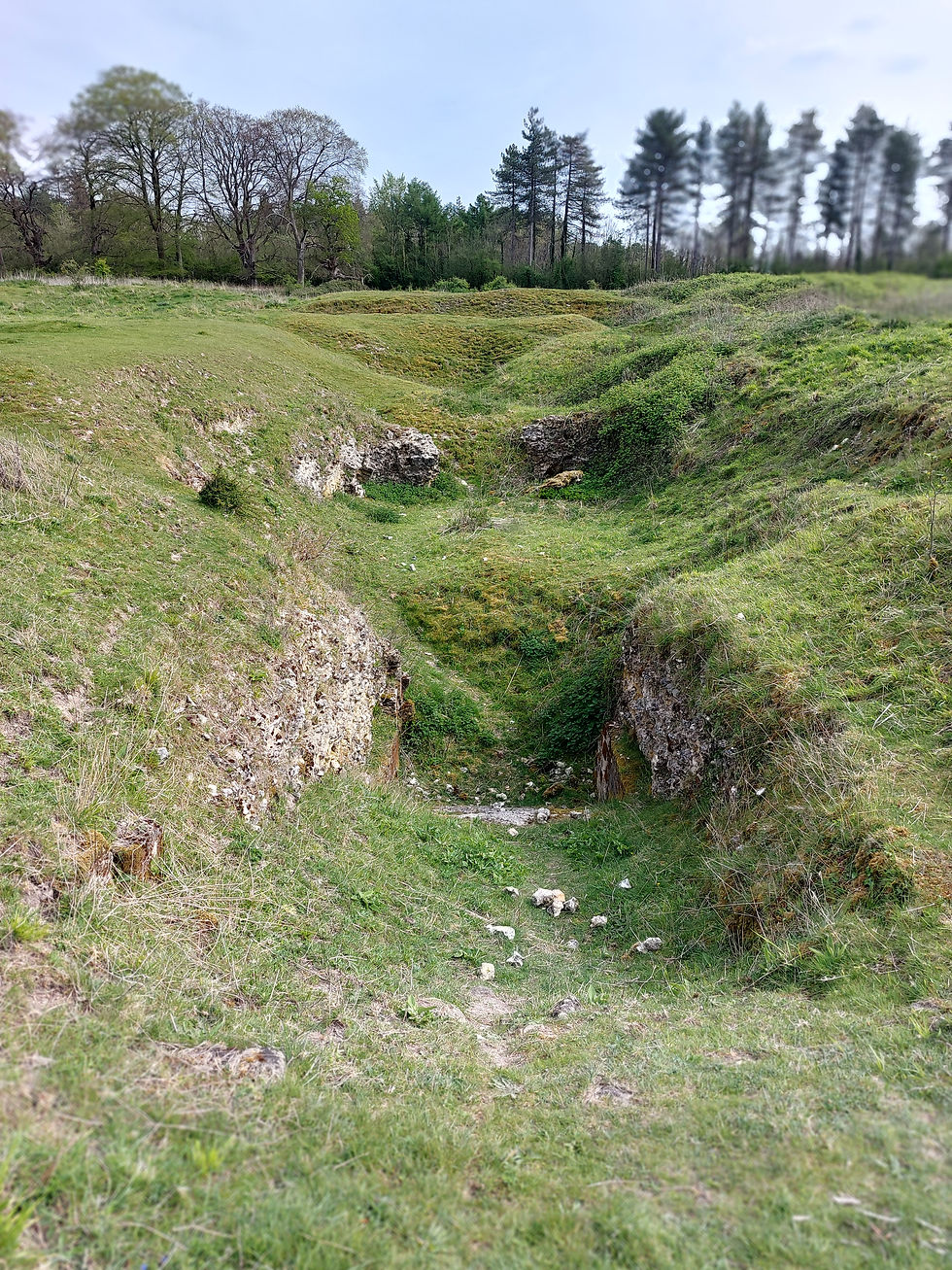
If you do decide to walk further on then just 10 minutes on from the site, if you walk att he right time of year, you will be met with this view, a valley of bluebells.
4. Explore Salisbury Charter Market

Salisbury’s Charter Market is one of the oldest in the country, dating back to 1227 when the Kings charter gave royal approval for a market. Held in the historic Market Place every Tuesday & Saturday, this vibrant open-air market is the heart of local life.
You’ll find a colourful mix of stalls selling everything from fresh local produce, artisan bread, & cheese to handmade crafts, vintage finds, plants, & street food. Surrounded by medieval architecture & buzzing with life, it’s the perfect spot to grab a snack in one of the many surrounding cafes, chat with friendly stallholders, & enjoy a slice of the real Salisbury.
Keep your eyes peeled for live performers & seasonal treats, especially around Christmas & summer festivals!
5.Spend some time in the Cathedral Close


The Cathedral Close is not only the location of Salisbury Cathedral but was also originally designed to house the numerous members of the clergy & their households after the move from Old Sarum. This peaceful, leafy area is filled with stunning medieval, Georgian, & Victorian buildings & whilst there is a fee to enter the cathedral itself its free to wander around in the cathedral grounds & the Close - the views of the cathedral’s soaring spire from every angle are unforgettable.
Take a leisurely stroll down its quiet lanes to admire beautiful old houses, hidden gardens, & historic gates. With large areas of grassy lawns & numerous benches, its also the perfect place to soak up centuries of history, enjoy a calm escape from the busy town centre & discover some of Salisbury’s best-kept secrets.
If you have time exit the close at St Anns Gate, turn right & walk the perimeter of the Cathedral Close wall along Exeter Street & around to Harnham Gate where you can re-enter the Close. Built in the 1330s the stone used to build the wall was taken from the buildings of Old Sarum & its still possible to see various masons marks* on the stone.

* Masons mark - a monogram/symbol chiseled by a mason on the surface of a stone to identify his own work & distinguish it from that of any other workmen.
That's our Top five things to do on a budget in Salisbury. So, what are you waiting for - Get out & Trek!